How Tiered Loyalty Structures Guide User Pathways in Regulated Digital Card and Esports Environments
Clara Hoffmann · Sep 6, 2026
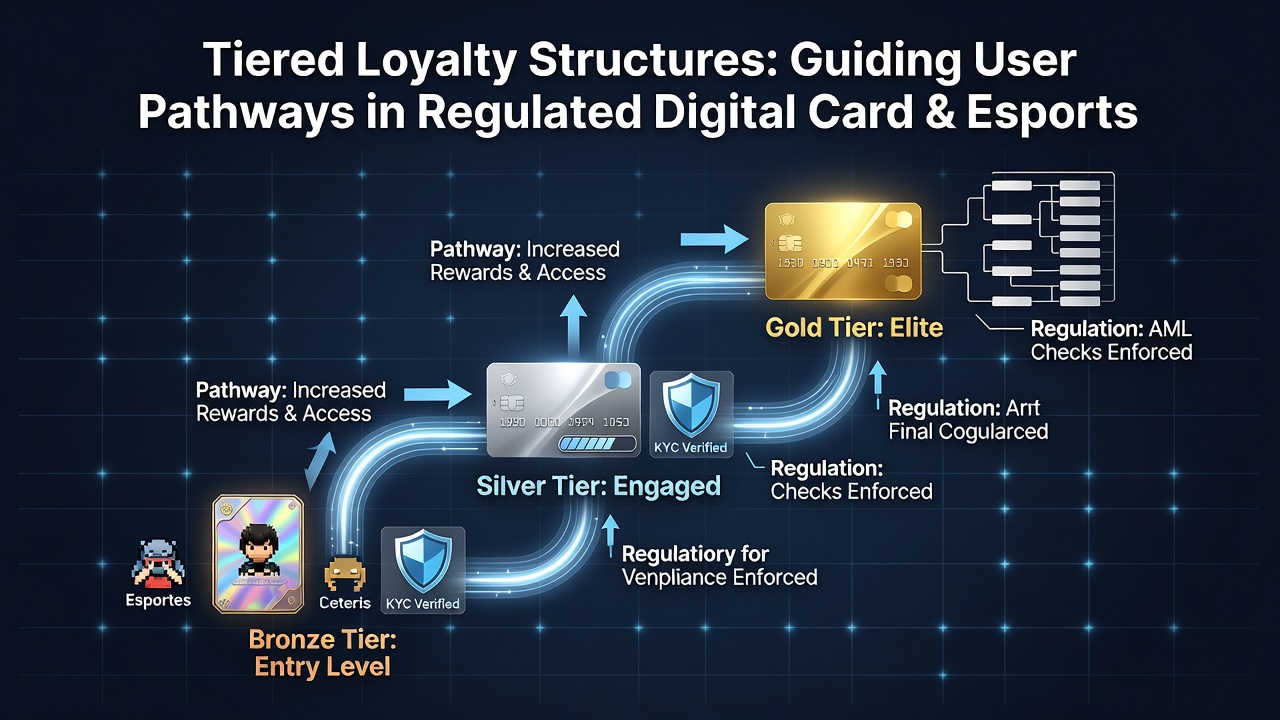
How Tiered Loyalty Structures Guide User Pathways in Regulated Digital Card and Esports Environments
Regulated digital card platforms and esports environments rely on structured loyalty frameworks that segment users into progressive tiers based on activity metrics such as participation frequency, wager volume, and engagement duration. These systems establish clear pathways where users advance through defined levels, each offering incremental rewards that align with platform compliance standards enforced by licensing authorities across multiple jurisdictions.
Platform operators track user data through centralized systems that calculate tier eligibility in real time, and this approach ensures adherence to responsible gaming protocols while directing player behavior toward sustained interaction. Data from industry analyses indicate that participants in higher tiers demonstrate elevated retention rates compared to entry-level users, with progression often tied to verifiable metrics rather than subjective assessments.
Core Mechanics of Tier Progression
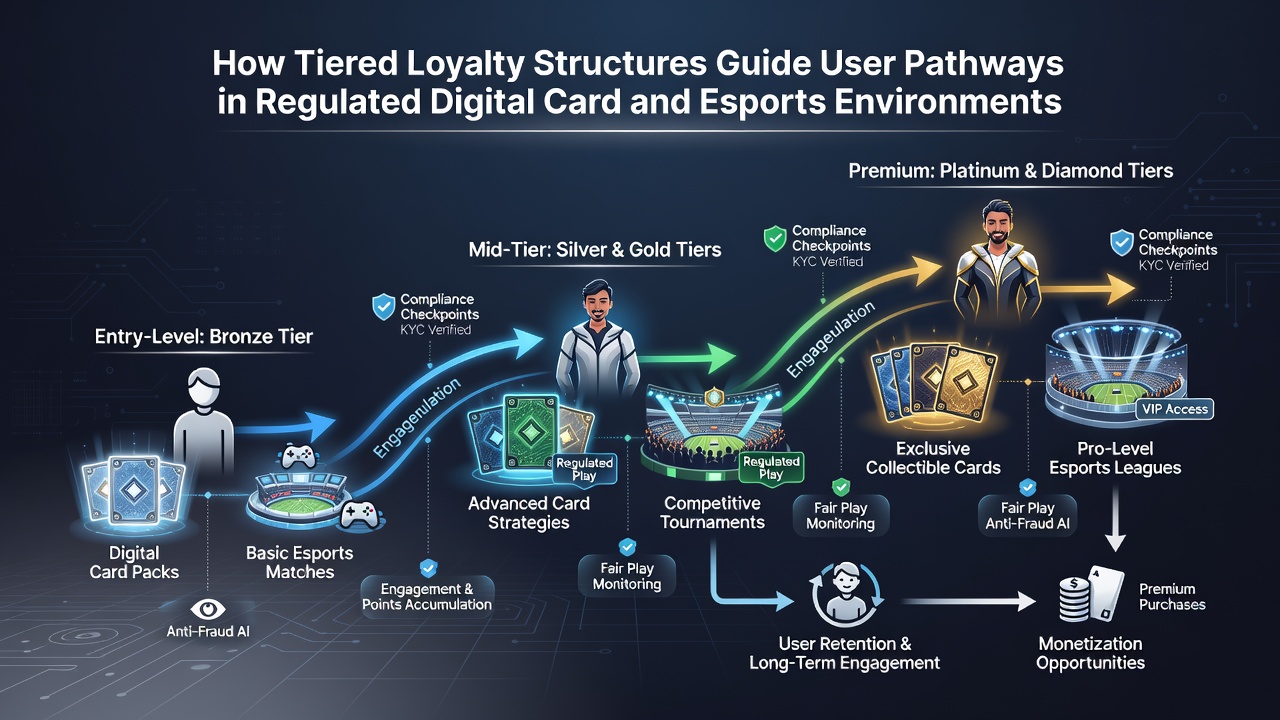
Entry-level tiers typically grant basic access to standard features, whereas mid-tier status unlocks enhanced rewards such as bonus credits or priority event entry, and top-tier designations provide exclusive benefits including personalized account management and accelerated payout processing. Observers note that these layered structures function through algorithmic thresholds that reset or adjust periodically, often aligned with calendar quarters or seasonal cycles in competitive calendars.
Regulators in regions like those overseen by the Malta Gaming Authority require transparent disclosure of tier criteria, which prevents opaque reward distribution and maintains audit trails for all advancement decisions. Users accumulate points through documented activities in card tournaments or esports matches, and the resulting tier status directly influences available options without circumventing licensing conditions.
Application in Digital Card Environments
Digital card platforms operating under licenses from bodies such as the New Jersey Division of Gaming Enforcement integrate loyalty tiers that guide users from casual play into structured competition circuits. Points systems record session length, game variety, and social features, while advancement triggers automatic notifications that highlight next-level requirements and associated privileges.
Research indicates that participants who reach intermediate tiers show increased diversification in game selection, and this pattern holds across multiple regulated operators where data collection supports compliance reporting. Tier benefits in these settings frequently include reduced rake percentages or entry fee waivers for premium events, which operators calibrate to balance revenue models with user retention goals.
Influence on Esports User Pathways
Esports platforms licensed in jurisdictions including those monitored by the Alcohol and Gaming Commission of Ontario employ tiered structures that channel participants from open qualifiers toward sponsored leagues. Metrics encompass match completion rates, team contributions, and community interactions, and higher tiers correlate with access to scouting networks and training resources provided through platform partnerships.
Figures from platform reports reveal that tier advancement often coincides with shifts toward more strategic play patterns, as users optimize activity to meet progression benchmarks. These environments maintain separation between loyalty rewards and outcome-based betting mechanics to satisfy regulatory distinctions, and operators publish tier rules in accessible formats to support informed user decisions.
Regulatory Frameworks and Compliance Integration
Licensing requirements established by various international bodies mandate that loyalty structures incorporate safeguards such as spending caps and self-exclusion linkages, which integrate directly with tier progression algorithms. In September 2026, updates from select regulatory panels emphasized enhanced reporting on tier-related incentives to monitor potential over-engagement patterns across digital card and esports sectors.
Operators respond by embedding compliance checks at each tier threshold, ensuring that reward distributions undergo review before activation. This methodical approach allows platforms to scale user pathways while documenting adherence to standards that differ by region yet share common principles around transparency and accountability.
Behavioral Patterns and Platform Outcomes
Studies conducted by academic institutions track how tier systems shape long-term engagement, with evidence showing accelerated movement through lower tiers among users who combine multiple game formats. Platform analytics further demonstrate that top-tier participants generate disproportionate activity volume, prompting operators to refine reward structures in response to aggregated, anonymized datasets.
Cross-platform comparisons highlight variations in tier design, where some emphasize competitive milestones and others prioritize consistent participation, yet all operate within boundaries set by their respective licensing agreements. Users who navigate these pathways encounter guided options that reflect both personal history and broader regulatory expectations.
Conclusion
Tiered loyalty structures in regulated digital card and esports settings establish measurable routes for user advancement that align operational incentives with oversight requirements. These frameworks continue to evolve through data-driven adjustments that maintain compliance while directing engagement patterns across licensed environments.